
Because the natural formation of pearls is extremely rare, various types of pearls exist, making it difficult to distinguish them and understand their true origin.
To address the potential problems that may arise when acquiring or identifying pearls, we have prepared an article exploring the different types of pearls and their unique characteristics.
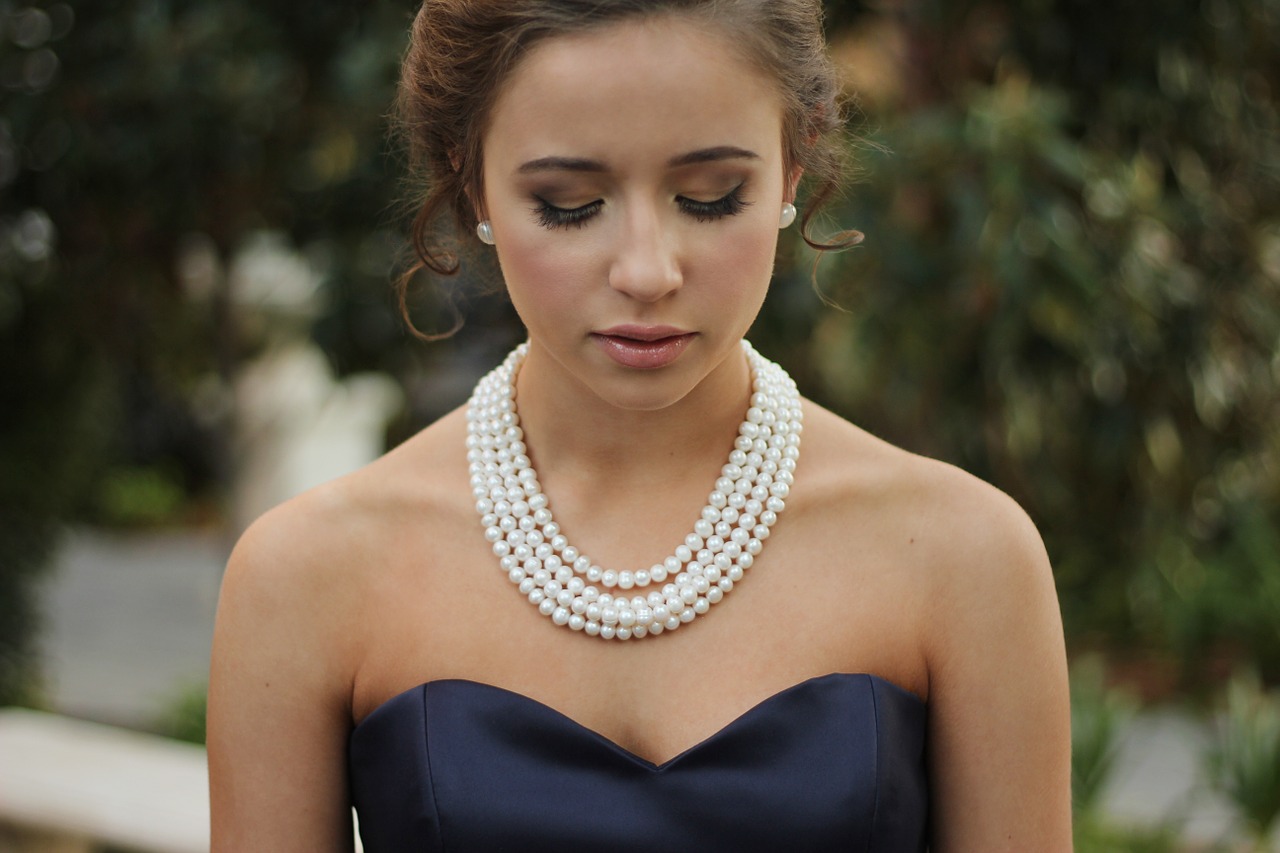
1-Natural Pearl
Natural pearls are formed naturally by oysters or other mollusks without any human intervention. The formation of this gemstone is caused by a rare event: the oyster ingests a harmful substance, such as a grain of sand or even a small fish!
When this happens, the mollusc begins a chemical reaction with the foreign substance, thus forming a pearl. In this process, the oyster secretes nacre to coat the "enemy." Over time, this secretion eventually forms the surface of the pearl.
This process is not only slow (potentially taking years), but also extremely rare, as not all oysters produce pearls during this process. Therefore, this unique gemstone is highly valuable.
Today, natural pearls are extremely difficult to obtain, making them the most precious of all pearls. Since 1916, the search for natural pearls ceased, and some pearls are only found by chance or exceptional luck. To compensate for this, people began cultivating another type of pearl, thus driving the market for this gemstone.
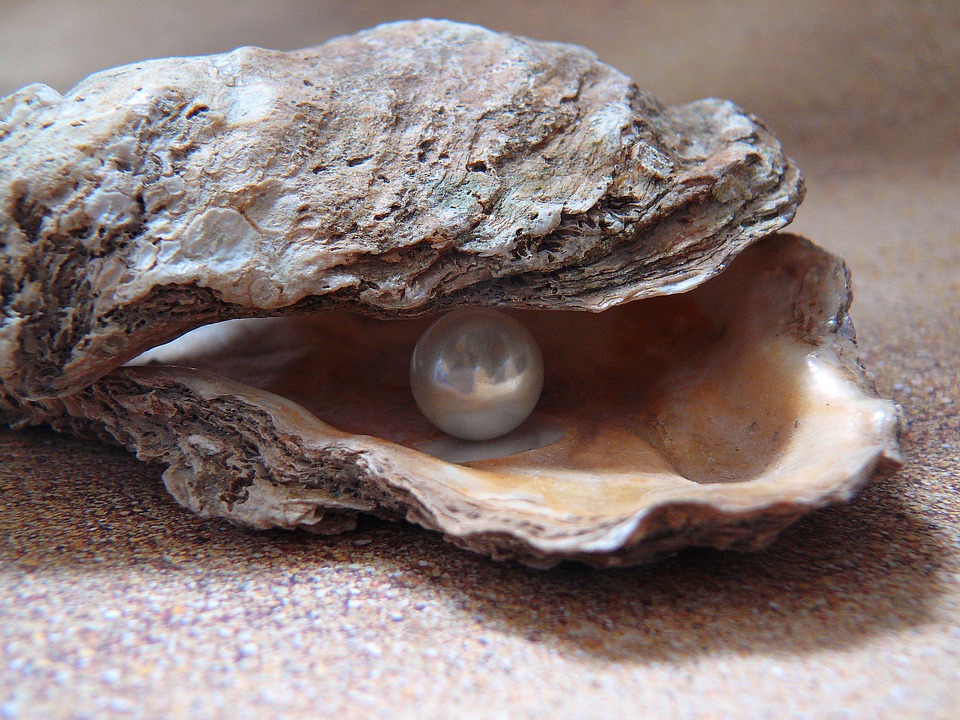
2- Cultured Pearls
Like natural pearls, cultured pearls are produced by oysters or other mollusks. However, the difference lies in the fact that the formation process of cultured pearls requires human intervention. Specifically, cultured pearls are made by implanting a small clump of nacreous material into an oyster shell. After implantation, the oyster is stimulated to produce a pearl, which is then removed from the oyster shell.
This method produces pearls much faster than natural pearls. The two types of pearls are so similar that most buyers cannot distinguish them. They can only be differentiated under a microscope because cultured pearls have some subtle differences.
Currently, this gemstone is the most common type of pearl on the market. Its value depends on the size of the pearl and the quality of the nacreous layer inside the oyster.
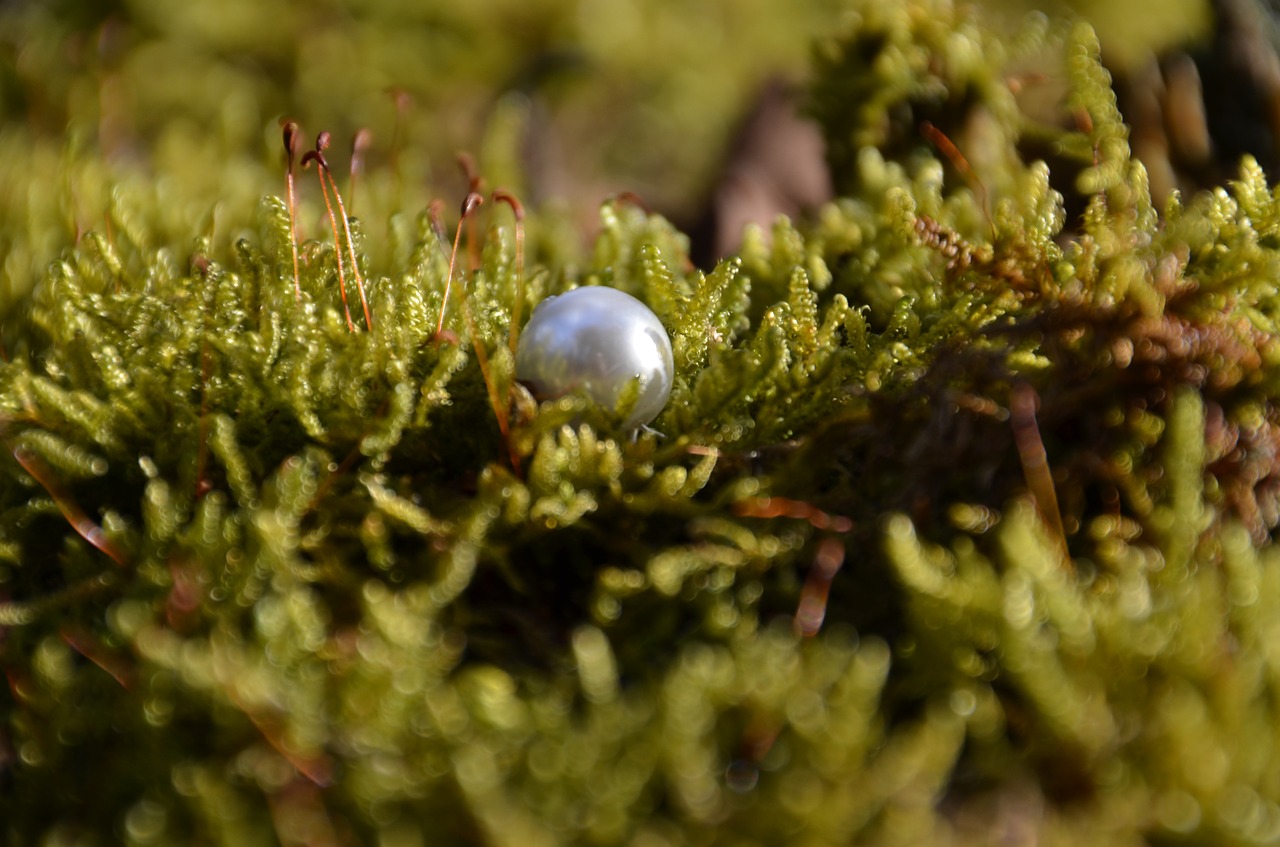
3- Artificial Pearls
Thanks to advancements in technology and research in genetics, humans have been able to "clone" natural gemstones to create synthetic pearls. These synthetic pearls are formed by crushing the material from natural pearls.
The product of this process is then melted and crystallized to create the final synthetic pearl. Shell pearls are a prime example of this type of gemstone, perfectly mimicking both natural and cultured pearls.
It's important to note that synthetic pearls are not the same as artificial pearls. Artificial pearls are made from glass or plastic spheres, while synthetic pearls are made by simulating the formation process of natural pearls. Although manufactured in a laboratory, synthetic pearls have very similar physical properties to natural pearls. This is why they are also highly valuable.
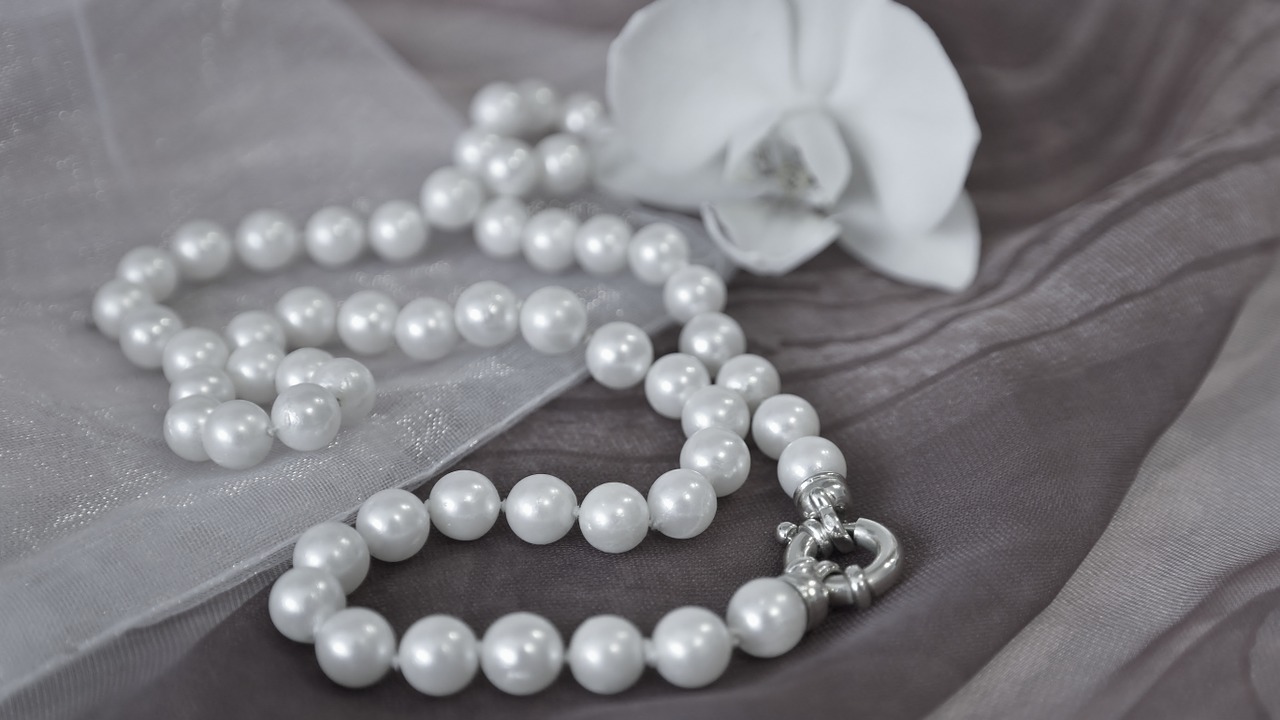
After learning about the different types of pearls on the market, you'll understand why they are so unique and how to distinguish them. Therefore, when considering purchasing jewelry set with this rare gemstone, you'll have a better understanding of its different characteristics and value.

